
Modular plastic chain plate supplier
Thai plastic conveyor belt chain plate
Plastic conveyor belts with chain plates are modular conveyor belts made of engineering plastics. They are composed of multiple plastic chain plates spliced together by pins, also called plastic chain plates or modular mesh belts. They are mainly used to replace traditional belts or metal conveyor belts and are commonly found in the food, pharmaceutical, and logistics industries.
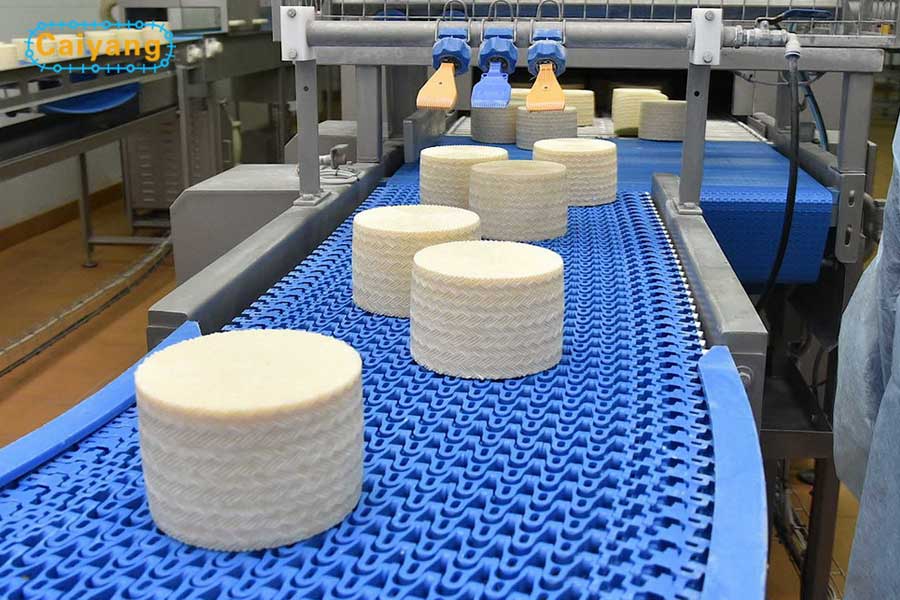
Main Features
Materials and Performance: Common materials include POM (polyoxymethylene), PP (polypropylene), and PE (polyethylene). They are lightweight, operate with low noise, and are resistant to acid and alkali corrosion. Some materials can withstand high temperatures (e.g., HT material can withstand up to 140℃).
Flexible Structure: Available in straight-line and side-curved chain configurations, adaptable to various conveying routes including horizontal, inclined, and curved paths. The modular design allows for replacement of only individual chain plates in case of partial damage, resulting in lower maintenance costs.
Cleanliness and Hygiene: The smooth surface is easy to wash with water, meeting the high hygiene requirements of the food and beverage industry.
Core Structure and Working Principle
Plastic chain plate conveyor belts are not traditional continuous belts. Instead, they are composed of independently injection-molded plastic modules interlocked by pins, similar to a “building block” assembly structure. Drive Method: Employs a sprocket positive drive system. The sprocket teeth mesh with the bottom of the chain plate, eliminating slippage and ensuring precise running trajectory.
Components: Primarily includes a drive unit (motor, reducer), chain plate modules, traction chain, guide rails, and tensioning device.
Operating Characteristics: The chain plates slide or roll on the guide rails. Compared to belt conveyors, it has higher tensile strength (up to 10 times that of ordinary PVC belts) and is less prone to deviation.
Material Classification and Specification Selection: Different materials determine the conveyor belt’s temperature resistance, corrosion resistance, and applicable scenarios. Selection must be matched to specific working conditions.
Common Materials:
Polypropylene (PP): Resistant to chemical corrosion, suitable for humid or mildly heated environments, and has a lower cost.
Polyoxymethylene (POM/ACETAL): Good rigidity and dimensional stability, suitable for high-precision conveying and high-tension routes.
Polyethylene (PE) and Nylon (PA): Low coefficient of friction, suitable for conveying fragile products and curved layouts.
Specifications:
Width Series: Common widths for straight-line chain plates include 63.5, 82.5, 101.6, 152.4, and 304.8 mm.
Pitch Series: Covering various specifications from 12.5 mm to 57.15 mm, such as the S12 series, S25 series, and S50 series.
Selection Recommendations:
Load Capacity Matching: Select chain plate thickness based on the weight of individual items to avoid deformation due to excessive weight.
Environmental Compatibility: For food processing, select materials that meet FDA standards; for acidic and alkaline environments, select corrosion-resistant materials.
Size Verification: Verify the pitch and hole positions in advance to avoid incompatibility with existing equipment. Market Prices and Supplier Reference Prices are significantly affected by brand, material, purchase volume, and whether it is customized. The following is market reference data from September to October 2026.
https://caiyangbelt.com/thai-plastic-conveyor-belt-chain-plate/