
Modular plastic chain plate supplier
straight running modular belts
The core advantage of linear modular conveyor belts lies in transforming the traditional conveyor belt logic of “uniform operation of the entire line” into a flexible conveying method of “modular splicing and independent control.” It combines the advantages of a simple and reliable linear structure with the modular design that solves the pain points of slow changeover, difficult maintenance, and large footprint of traditional production lines.
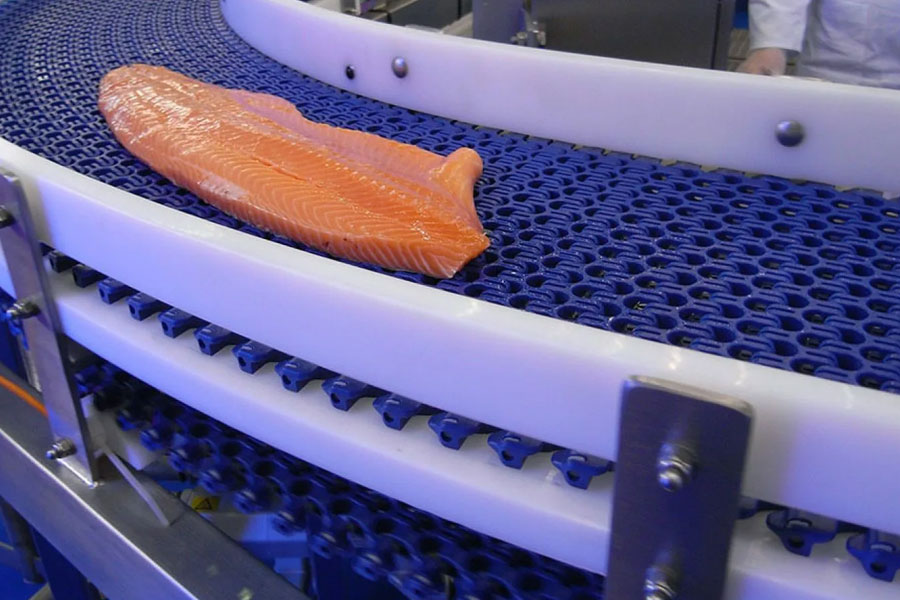
High Flexibility and Changeover Efficiency: Once installed, traditional conveyor belts have essentially fixed conveyor spacing and cycle time. Modular linear conveyor belts (especially those based on linear motors) are typically composed of independent sliders or module segments, and the position, speed, and acceleration of each slider can be independently set via software. When changing products, there is no need to adjust the mechanical structure; simply calling a new program or switching via buttons allows parameter changes to be completed within seconds, making it ideal for small-batch, multi-variety production modes.
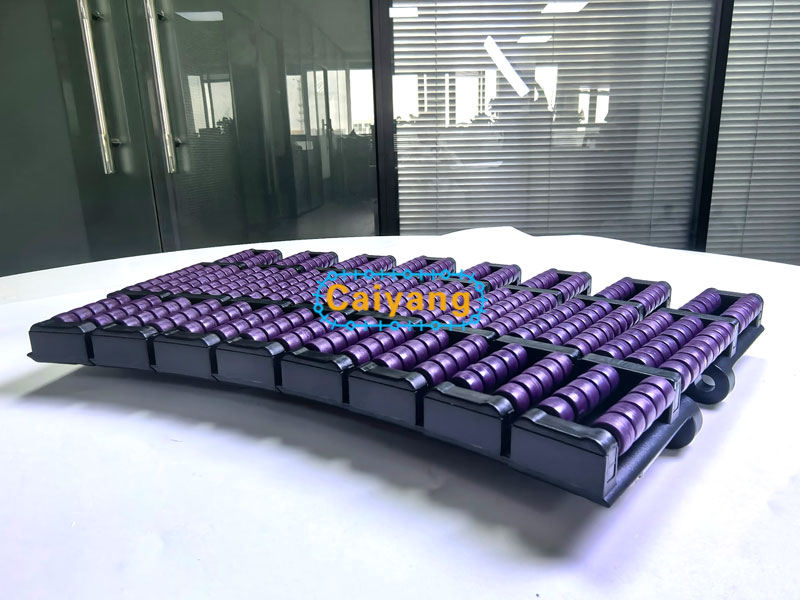
Significantly Reduced Maintenance Costs and Downtime: Modular design simplifies maintenance. If a section of track or a slider malfunctions, the module can be quickly replaced without disassembling the entire conveyor belt, significantly reducing the risk of entire line shutdown due to partial failures. Some systems employ non-contact linear drives, reducing mechanical wear and dust generation, further extending equipment lifespan and reducing routine maintenance frequency.
High Space Utilization and Flexible Layout: The linear modular conveyor belt has a compact structure, with motors and electronic components often integrated inside the track, eliminating the need for bulky external drive units and control cabinets. Using standard connectors, users can freely combine lengths according to site space, even combining multiple straight segments with curved modules to achieve compact circular or branched layouts, sometimes saving 25% to 50% of floor space compared to traditional solutions.
High Precision and High Dynamic Response: For processes requiring precise positioning (such as assembly, filling, and inspection), linear modular conveyor belts perform exceptionally well. By eliminating the elastic tension and gaps of belts or chains, their repeatability is typically high (some products can reach ±0.01 mm to ±0.02 mm levels), and they can achieve high acceleration and speed, helping to shorten production cycle time and increase capacity.
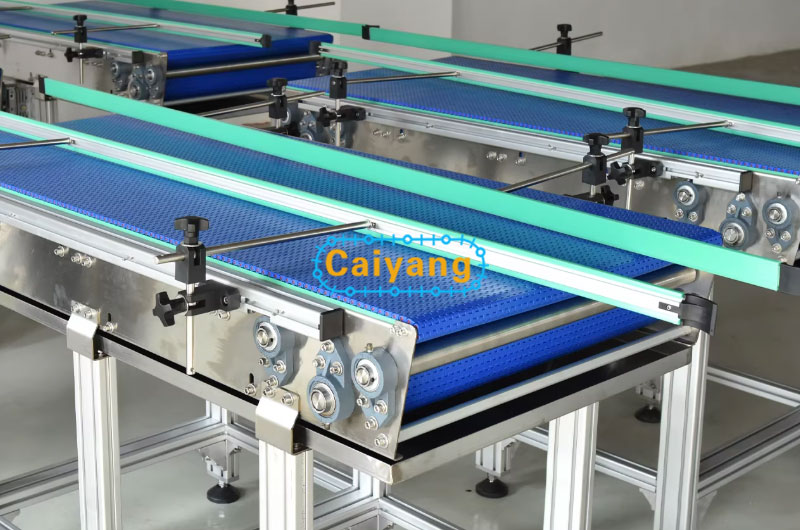
With a foundation in intelligent technology and data interconnection, many modern linear modular systems natively support the Industrial Ethernet protocol, allowing each slider or module to provide real-time feedback on position, status, and load data. This provides the underlying hardware support for predictive maintenance, digital twinning of production lines, and Industry 4.0 integration, facilitating centralized monitoring and remote commissioning within the factory.
Note: If you are referring to traditional plastic modular chain conveyors (meaning the belt body is assembled from modules, but the entire line is still driven by a single motor), their advantages mainly lie in corrosion resistance, ease of cleaning, replaceable individual chain plates, and flexible width adjustments. However, they lack the flexibility of the aforementioned linear motor systems in terms of “independent control” and “software-based upgrades.”