
Modular plastic chain plate supplier
Why Is the Surface of a Conveyor Belt Made Rough?
Conveyor belts use rough surfaces mainly to increase friction and prevent goods from sliding. Learn more about its functions, applicable scenarios and selection tips for plastic modular belts.
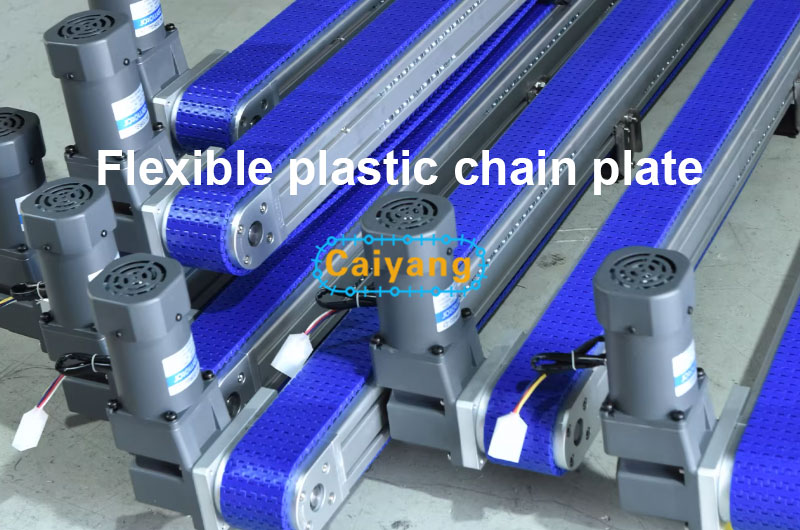
Many factory engineers wonder:why is the surface of a conveyor belt made rough?
The core reason is simple: to increase friction between products and the belt surface. A smooth surface has low friction. When the conveyor runs, especially on inclined lines, boxes, bottles and packaged goods are easy to slip backward or topple over. A rough surface solves this common conveying problem.
Main functions of rough belt surface
1.Stop products from sliding on inclined conveyors
On upward inclined production lines, gravity pulls products down. The rough texture creates higher friction, holding goods firmly on the belt. This reduces rollback and product spillage. It helps factories safely use a larger conveying angle without dropping items.
2.Keep products stable during acceleration&deceleration
When the conveyor starts or stops suddenly, items tend to shift. The rough surface adds grip and avoids goods sliding forward or backward. This is very important for high-speed sorting lines in food, packaging and logistics industries.
3.Adapt to wet or greasy working conditions
In food processing workshops, products may carry water or oil. These liquids will reduce surface friction. Rough belts reserve enough grip even with slight moisture, lowering the risk of slipping.
4.Reduce product damage
Sliding goods will scratch or wear their packaging. The non-slip rough surface fixes product position. Less sliding means fewer scratches on boxes and packages.
Two common rough-surface conveyor options
1.Rough rubber belt: Widely used for bulk material transportation. But it is hard to clean and not suitable for strict food-grade&CIP washing requirements.
2.Rough/non-slip modular plastic belt: This is popular in modern food and beverage factories. It has textured plastic surface for extra friction. It can resist hot water and chemical sanitizers for CIP cleaning. Damaged single modules can be replaced separately, saving maintenance cost.
Key reminder:rough surface is not always needed
Rough texture also has limits.
If your products are soft, fragile or easy to scratch, a rough surface may leave marks. Flat smooth modular belts are better choice for these items.
Also, rough surfaces are easier to collect dust and debris. You need to consider cleaning demands before selection.
Final thoughts
Manufacturers design rough conveyor belt surfaces mainly for anti-slip purposes. Before choosing, evaluate your product weight, surface texture, conveyor angle and workshop environment. For food-grade production lines, textured modular plastic belts are a practical solution.
Shanghai Caiyang, your reliable partner. Reach us on WhatsApp: +86 17317161237. We provide custom modular belt solutions for your production line upgrade.