
Modular plastic chain plate supplier
Where Are Conveyor Belts Commonly Used?
Nowadays, plastic modular conveyor belts and slat top chains have become essential transport media for automated production. Thanks to hygienic performance, flexible layout and easy maintenance, they are widely adopted across many industries. Below are their most common application scenarios.
Food and Beverage Industry
This is the biggest application field for food-grade plastic conveyor belts.
In fruit and vegetable workshops, open-hole mesh belts are used for washing, draining and sorting fresh produce. For seafood and meat processing lines, modular belts can withstand repeated high-pressure cleaning and low-temperature environments without rust.
Beverage factories use flat top chains to steadily carry bottles and cans during filling, labeling and packaging. Bakery and frozen food plants rely on these belts for cooling, quick-freezing and finished-product delivery. PP and POM food-grade materials fully meet global food safety standards.
Packaging, Logistics & E-commerce Warehousing
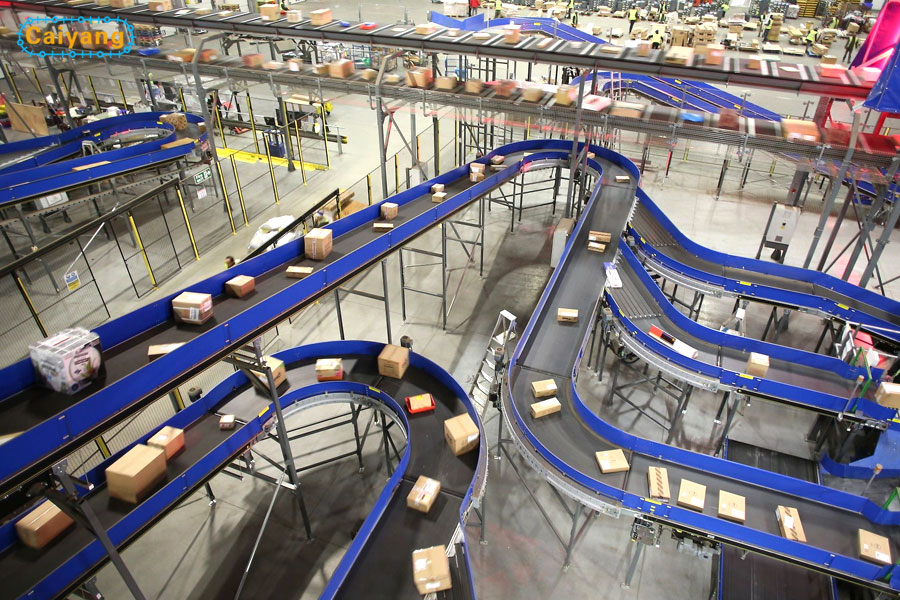
Distribution centers and e-commerce sorting warehouses heavily depend on modular conveyor belts.
Multi-lane merging conveyors collect packages from multiple lines into one main track. Curved plastic belts help save factory space by realizing 90°or 180°turning transfer. Cartons, pouches and tote boxes can move smoothly through sorting, inspection and palletizing sections. Only the damaged single module needs replacement instead of the whole belt, cutting downtime greatly.
Pharmaceutical & Daily Chemical Industry
Clean workshops for medicine, cosmetics and toiletries have strict contamination control requirements.
Non-absorbent plastic modular belts will not soak up liquid, powder or odor. They can be quickly disassembled and sanitized, suitable for transporting medicine boxes, bottles and packaged skincare products. Anti-static options are available for sensitive pharmaceutical packaging materials.
Electronics and Automotive Assembly
In electronic cleanrooms, anti-static modular belts safely transfer circuit boards and small components to avoid static damage.
For auto workshops, heavy-duty POM slat chains carry plastic parts and interior accessories between assembly stations. They run with low noise and good wear resistance for continuous long-shift production.
Recycling and Other Processing Fields
Waste sorting plants use plastic conveyor belts to carry recycled materials.
Dairy processing, prepared meal production and cold chain factories also select customized plastic belt solutions to match draining, cooling and low-temperature working conditions.
Why Plastic Modular Belts Are Preferred
Compared with metal mesh belts and rubber belts, plastic modular belts have obvious strengths: food-safe raw materials, support for curve and inclined conveying, easy on-site cleaning, lightweight structure and low running noise. When local sections wear out, maintenance is simple and cost-effective.
Summary
From food processing, beverage bottling, warehouse parcel sorting, pharmaceutical packaging to component assembly, plastic conveyor belts are everywhere in modern automation. Different belt structures, materials and accessories can be customized to fit unique production requirements of different factories.
If you are building or upgrading your production line, feel free to contact us for a tailor-made conveyor belt solution.