
Modular plastic chain plate supplier
What should be noted in the maintenance of plastic conveyor belts?
In many industrial manufacturing sectors today, plastic conveyor belts have become indispensable tools for transporting goods. Therefore, in addition to understanding the precautions for purchasing conveyor belts, it’s also essential to understand their maintenance methods. Proper maintenance of plastic conveyor belts is crucial as it directly affects their lifespan. Let’s learn about it together!
- Maintenance of plastic conveyor belts involves several methods, including wiping, sweeping, lubrication, and adjustment. When cleaning, remove oil stains from all sliding surfaces inside and outside the equipment, as well as from lead screws, racks, gearboxes, oil holes, etc. Ensure that all parts are airtight and oiltight. Also, clean up any debris, dirt, and other contaminants around the equipment.
- Tools, accessories, and workpieces around the equipment should be neatly arranged, and pipes and wiring should also be organized.
- To ensure good lubrication of the plastic conveyor belt, add or change the oil regularly. Avoid both continuous lubrication and dry friction. To ensure proper oil pressure, a clear oil level indicator, unobstructed oil passages, and that the oil used meets requirements, the oil gun, oil cup, and oil felt must be clean.
- During operation, always follow the specifications. Do not overload the equipment. Ensure the equipment’s safety devices are functional and reliable, and promptly eliminate any unsafe factors.
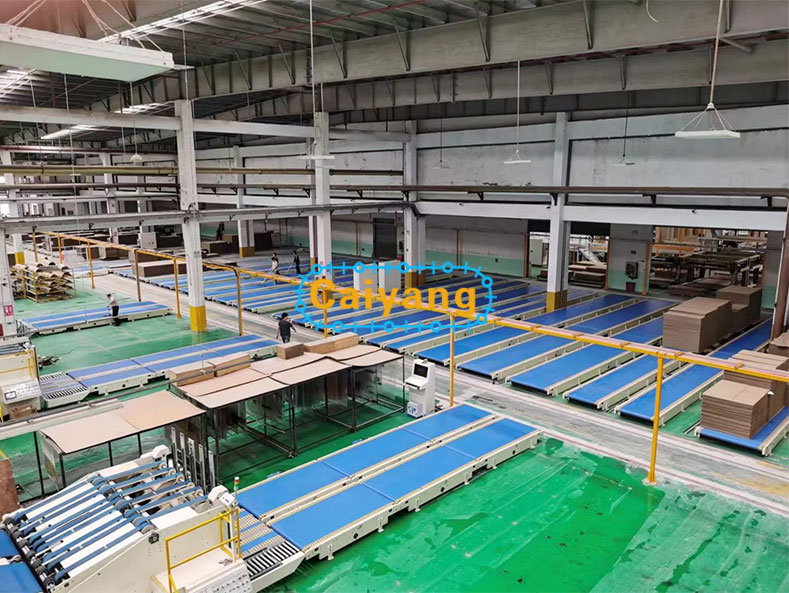
The following precautions should be taken when using plastic mesh belts:
- Avoid material accumulation on the rollers, which can cause poor rotation. Prevent material leakage between the rollers and the belt. Pay attention to the lubrication of moving parts.
- Avoid overload starting.
Features of Plastic Modular Conveyor Belts:
Plastic mesh belts are made using injection molding and are equipped with drive sprockets. They feature no deviation in transmission and are easier to replace and clean.
The plastic mesh belt drive modules are snapped onto the belt sprockets, and the sprocket grooves correspond to the corresponding transmission, so there is no deviation. Plastic modular conveyor belts are…
Easier to replace because they are assembled with matching pins. Damaged parts can be replaced individually, without replacing the entire belt.
I. Cost savings. Plastic modular belts are relatively flat and smooth, and can be directly rinsed with water or cleaned with tools.
A variety of plastic materials are available to meet customer requirements, including food-grade plastics.
High-temperature plastic mesh belts and plastic mesh belts are wear-resistant and tension-resistant, making them an ideal new type of environmentally friendly conveyor. Plastic mesh belts, also known as modular plastic mesh belts, are injection molded and then sewn together.
According to customer needs. Modular plastic mesh belt conveyors are becoming increasingly common in the automation industry. What details should be considered when using them? First, when purchasing the plastic mesh belt, ensure the size is correct and check for scratches, dents, breaks, etc. Mesh belt conveyors require high dimensional accuracy, so caution is necessary during use. Keep the mesh belt clean, ensure the size is correct, and handle installation and disassembly with care. After use, pay attention to maintenance. When using the mesh belt in high-temperature environments, try not to exceed 100 degrees Celsius. If long-term use in high-temperature environments is required, choose a mesh belt made of high-temperature resistant material. After disassembly and reinstallation, check the detailed dimensions of the mesh belt for damage or breaks. Have a technician confirm whether it can be reused. Regular inspection of the plastic mesh belt is crucial for preventing malfunctions and improving productivity and economy.
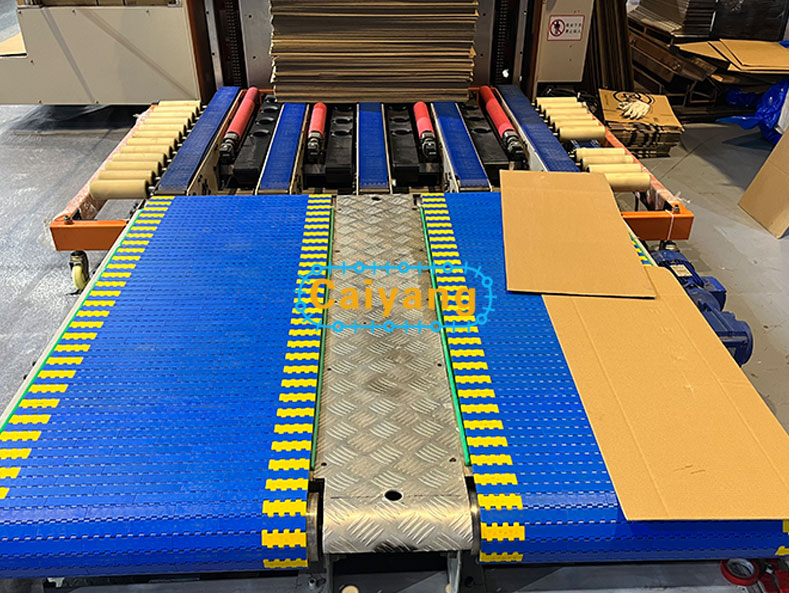
Plastic mesh belt conveyors are conveying equipment with modular plastic chain plates as their main components. Continuous transmission is achieved through the interlocking of the chain plates, making them suitable for material conveying in industries such as food and electronics. Their advantages lie in optimizing material and structural design to reduce operating noise while meeting heavy-duty requirements, and allowing for flexible adjustment of the conveying path according to different process needs.
I. Technical Principles and Structural Design:
This equipment uses nylon chain plates as the main transmission component. The modular structure includes both square-hole and spiral shapes. Square-hole chain plates achieve lightweighting and breathability through regularly arranged holes, while spiral chain plates enhance friction through spiral patterns to prevent material slippage. The chain plates are connected by snap-fit mechanisms to form a closed loop, which, together with the drive roller and tensioning device, completes power transmission. It can adapt to various conveyor line configurations, including horizontal, inclined, turning, and circular conveyors.
II. Performance Parameter Analysis:
The equipment’s load-bearing capacity is achieved through a combination of chain plate material and structure: Nylon material possesses high toughness and can withstand dynamic load impacts, ensuring strength while controlling the equipment’s weight. Regarding noise control, the contact surfaces between the chain plates and rollers undergo a special process to reduce noise generated by metal friction. Actual noise levels are approximately 30% lower than traditional metal conveyor belts. Furthermore, the equipment supports customized color schemes, allowing users to choose colors with better color rendering to suit their production environment and improve operational safety.
III. Typical Application Scenarios and Adaptability:
In the food industry, the modular design facilitates quick disassembly and cleaning, meets industry standards, and is commonly used in meat cutting and baked goods cooling processes. In the electronics industry, its low static electricity properties prevent damage to precision components during transport. For different process requirements, the equipment can be combined into a circular cutting production line for automated sorting and packaging. In inclined conveying scenarios, adjusting the chain plate angle and drive motor power allows for stable material transport on a 25° slope. For turning conveying needs, the combination of the spiral chain plate and guide rollers enables the conveyor line to turn 90°-180°.
IV. Technological Advantages and Industry Value:
Compared to traditional metal conveyor belts, this equipment features technological innovations in three aspects: First, its modular design reduces maintenance costs by 40%, allowing for partial replacement of damaged individual chain plates; second, the corrosion resistance of the nylon material extends the equipment’s service life in humid environments; and third, improved operational stability is achieved through optimized matching of the chain plate engagement angle with the roller speed, reducing jamming. These characteristics make it an ideal choice for automated food processing production lines, cleanrooms for electronic components, and other similar applications.
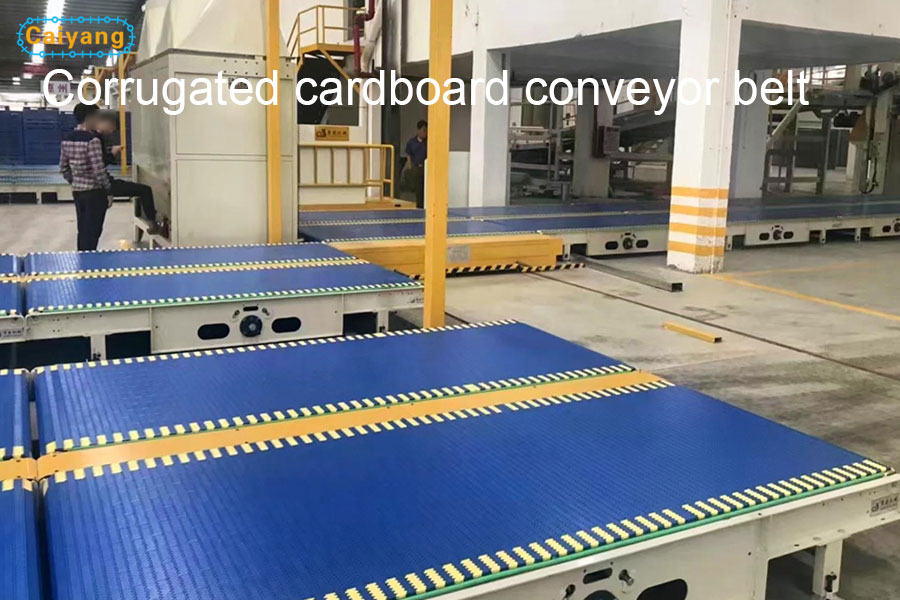
Plastic conveyor belts (modular plastic conveyor belts) are widely used in modern industrial automation conveying due to their corrosion resistance, ease of cleaning, modular design for easy maintenance, and high load-bearing capacity. Main application areas include:
- Food and Beverage Processing (Core Application Area): Meat and Poultry Processing:
Pre-treatment, segmentation, cutting lines, packaging lines (oil-resistant, easy to clean, meets FDA hygiene standards). Seafood and Aquatic Product Processing: Draining, washing, cooking, freezing, and sorting lines (saltwater corrosion resistant, rust-proof, non-toxic). Baking and Pasta Processing: Dough conveying, cooling towers, post-baking cooling, pre-packaging conveying (high-temperature or low-temperature resistant modules). Fruit and Vegetable Processing: Washing, peeling, slicing, draining, and packaging (good water permeability, does not damage material surfaces). Beverages and Dairy Products: Bottle/canning conveyor lines, sterilizers, pre-stacking buffer conveying (low coefficient of friction, stable operation).
- Pharmaceutical and Cosmetic Industry: Bottle and Packaging Conveying:Packaging lines and labeling lines in cleanrooms.
3. High Hygiene Requirements: Smooth, seamless surfaces facilitate easy rinsing and disinfection, preventing bacterial growth.
- Automated Sorting Systems for Logistics and Warehousing: Turning conveyor belts, diverting/merging conveyors. Box Conveying: Smooth transport of cartons, plastic pallets, and turnover boxes.
- Horizontal Turning and Spiral Lifting Systems: Turning conveyor belts are suitable for continuous conveyor lines in factories with limited space, requiring 90° or 180° turns. Spiral Cooling/Freezing Towers: Continuous ascending/descending spiral conveyors in baking cooling towers and quick-freezing towers in food factories.
- Automotive and Heavy Industry Stamping Parts and Components Conveying: Accumulation conveyors, high-load-bearing flat-top chain conveyors. Tire and Rubber Industry: Molding lines, cooling lines, and finished product handling.
- Daily Chemicals, Electronics, Light Industrial Products (Paper Towels and Personal Care Products): Lightweight, high-speed conveyors for pre- and post-packaging stages. Electronic Component Packaging: Anti-static conveyor belts for material transport in electronics workshops. Material Selection Tips: The specific application of plastic conveyor belts requires selection based on material characteristics: PP (Polypropylene): High cost-effectiveness, acid and alkali resistant, suitable for normal temperature or general food processing environments. PE (Polyethylene): Good flexibility, resistant to extremely low temperatures (suitable for quick-freezing and cold storage environments). POM (Polyacetal/Polyurethane): High strength, wear-resistant, low coefficient of friction, suitable for heavy-duty and high-speed conveying.