
Modular plastic chain plate supplier
What Is the Best Angle for Modular Plastic Conveyor Belts?
There is no universal best incline angle for modular plastic conveyor belts. The suitable slope depends on product features, belt structure, running speed and workshop conditions. View our design guidelines and common reference values.
Many plant engineers and production managers ask: what is the best angle for modular plastic conveyor belts?
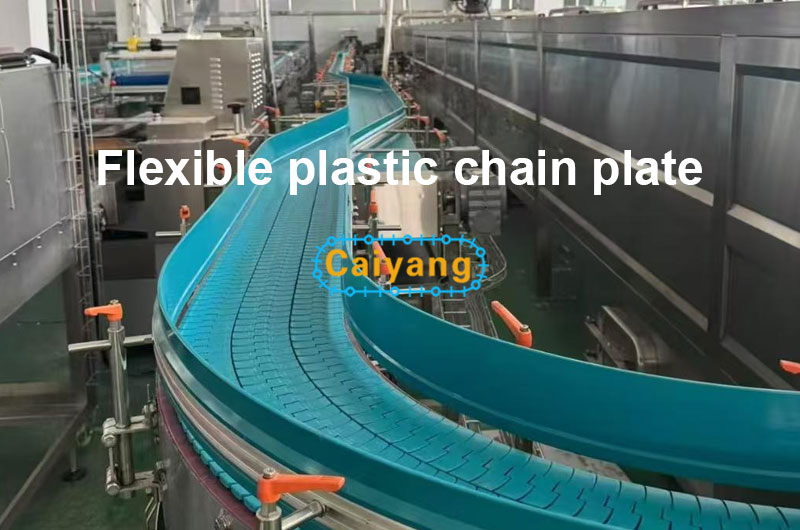
The short answer: there is no one-size-fits-all perfect angle. The proper incline balances stable conveying, low slip risk,energy consumption and available factory floor space. Setting the angle too steep will cause products to slide backward or tip over, accelerate belt and wearstrip abrasion. An overly gentle slope will take up more valuable workshop area.
General Reference Angle Range
For standard flat modular plastic belts without anti-slip pads or cleats, the widely accepted safe operating angle for most packaged goods falls between10°to 15°. Under good conditions,the upper limit can reach 18°. Once exceeding this range, boxes, bottles and food products are likely to slip or topple on the plastic belt surface.
If you use modular belts with built-in cleats or non-slip textured pads, the usable incline can rise to18°–25°. The raised cleats create physical barriers to hold products and prevent backsliding. For steep lifting applications, special sidewall modular belt designs can handle larger angles for specific projects.
Key Factors That Decide the Optimal Incline
1.Product characteristics
Product property is the most critical factor. Rigid, heavy items with rough bottom surfaces can work on steeper slopes. Smooth,lightweight packaged goods or round containers like plastic bottles need a gentler angle because they slide easily.
Wet or greasy food products also require a smaller incline. Oil and moisture reduce friction between goods and plastic belt surface, greatly raising slipping risk.
2.Modular belt surface design
- Smooth flat modular plastic belt:best for low inclines≤15°,clean packaged food, cartons.
- Non-slip textured/rubber coated modular belt:higher surface friction,supports slightly larger angles.
- Cleated modular belt:stops product rollback,ideal for inclined lifting of food products and packaged items.
3.Belt speed and loading status
Higher running speed creates larger inertia, making products easier to slip.High-speed conveying lines should choose a smaller incline angle.
Overloaded belts or uneven product spacing also reduce the maximum usable angle. When goods stack closely on the belt, the chance of sliding or toppling increases.
4.Working environment
Low temperature, humid or oily workshops affect surface friction.Oil, water and food residue on the plastic belt will act like lubricant, so you need to lower the incline accordingly. For food factories with regular CIP cleaning, material swelling or surface changes should also be considered when setting the slope.
| Product | Recommended Max Angle (Smooth Modular Belt) | Suggested Belt Upgrade for Steeper Incline |
| Plastic beverage bottles | 8°–12° | Cleated modular plastic belt |
| Packaged food cartons | 10°–15° | Non-slip textured modular belt |
| Frozen packaged products | 10°–14° | Rubber coated modular belt |
Common Design Mistakes to Avoid
1.Blindly increase the angle to save workshop space. A steeper slope raises friction on wearstrips and increases motor load,accelerating the wear of modular belt components, bringing higher long-term operating costs.
2.Ignore product changes. If your product surface becomes wet or greasy during processing, you must leave a safety margin on the incline angle.
3.Wrong belt selection for incline conditions. A standard smooth modular belt cannot replace cleated versions for steep lifting.
Why Modular Plastic Belts Are Preferred for Food-Grade Incline Lines
Compared with traditional rubber belt conveyors, modular plastic belts are widely used in food, beverage and frozen processing workshops. They can withstand repeated CIP hot water and chemical sanitizing cycles. Individual damaged modules can be replaced separately, instead of changing the whole belt, which cuts maintenance expense.
Final Thoughts
Selecting the best incline angle for modular plastic conveyor belts is a customized engineering decision. Start from your product type, lifting height and production speed, then pick the matching belt structure. Always reserve a safety margin instead of designing at the absolute maximum angle.
Shanghai Caiyang, your reliable partner. Reach us on WhatsApp: +86 17317161237. Our technical team can provide modular plastic belt and conveyor recommendations for your production upgrade project.