Modular plastic chain plate supplier
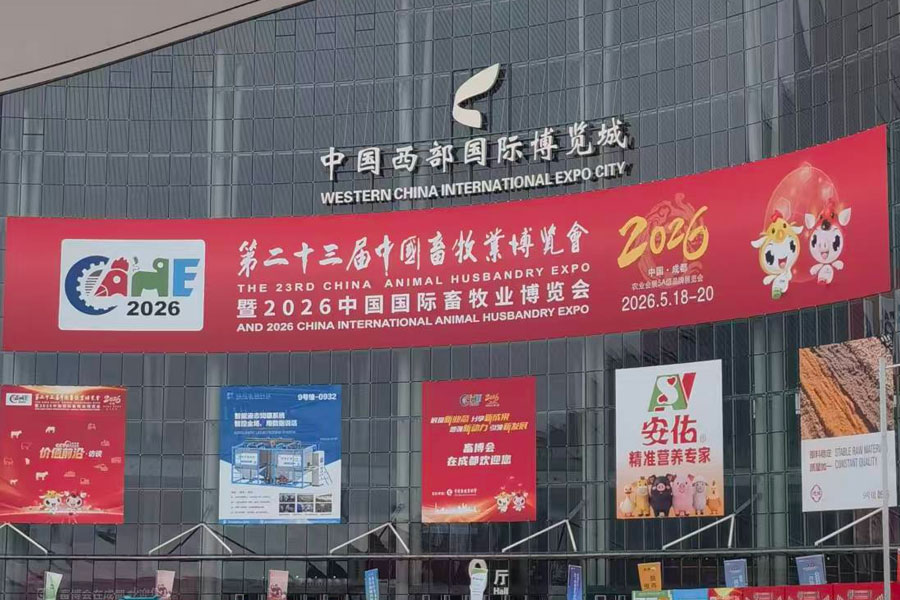
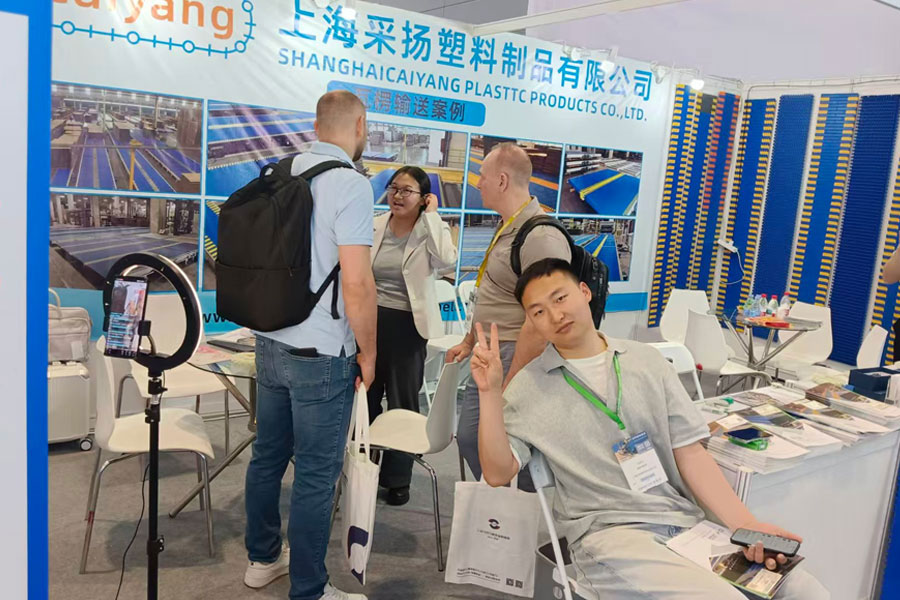
2026 China (Shenzhen) International Corrugated Exhibition
A flagship platform for the global corrugated packaging industry: With 25 years of brand accumulation and experience, the exhibition is a leading event for corrugated box manufacturing, guiding the development trend of the global corrugated packaging industry. The 2026 exhibition is expected to cover 120,000 square meters, bringing together 1,500 well-known domestic and international brands, showcasing over 1,800 high-end and cost-effective equipment and over 1,000 kinds of consumables, attracting over 100,000 professional buyers from home and abroad.
2026 China (Shenzhen) International Corrugated Exhibition
2026 China (Shenzhen) International Corrugated Exhibition
One-stop coverage of the entire industry chain: Exhibits comprehensively cover the entire industry chain, including cardboard processing equipment and spare parts, carton processing equipment and spare parts, cardboard/carton processing related consumables, carton processing software/automation, carton processing services, honeycomb/pulp molding equipment, testing instruments, and internal logistics and conveying systems. From corrugated cardboard production lines to printing, slotting, and die-cutting machines, from intelligent logistics systems to whole-plant planning solutions, upstream and downstream enterprises can efficiently connect and accurately match global procurement needs.
Seven Key Solutions Addressing Industry Pain Points: The exhibition focuses on seven key areas: intelligent and efficient cardboard production, efficient printing and integrated post-production, energy conservation and emission reduction, pre-printing of cartons, small-batch customization and digital printing, intelligent logistics warehousing and intelligent factories, and cooperative procurement and management of raw paper. These solutions aim to address the difficulties and pain points in the production process and facilitate lean manufacturing.
WEPACK’s Seven Exhibitions Linking the Entire Industry Chain: As one of the core series exhibitions under the WEPACK World Packaging Industry Expo, WEPACK is held concurrently with the South China International Paper Exhibition, China International Color Box Exhibition, South China International Digital Printing Technology Exhibition, South China International New Label Technology Exhibition, Plant Fiber and Food Packaging Manufacturing Technology Exhibition, and China Packaging Container Exhibition. Spanning 120,000 square meters, it truly achieves a comprehensive integration of the entire packaging manufacturing industry chain, from raw paper materials and processing equipment to packaging products.
High-End Forums Providing Authoritative Empowerment: The Global Corrugated Summit is held concurrently, inviting global corrugated industry experts to analyze industry development trends and discuss key topics with nearly a thousand carton company leaders. The WCA Global Corrugated Packaging Awards recognize outstanding companies worldwide, showcasing innovative, environmentally friendly, and practical corrugated packaging products and innovative business models, leading new trends in industry development.
Precise Business Matching Guaranteed: The exhibition features a dedicated “Golden Bridge Procurement Matching Hall,” providing exhibitors with opportunities to connect with numerous end-users at the concurrently held China Packaging Container Exhibition, directly engaging with potential buyers and facilitating successful collaborations. Six concurrently held packaging industry brand exhibitions fully leverage the synergistic advantages of the industry chain, providing a comprehensive business platform for enhancing brand awareness, expanding into global markets, and broadening industry connections.
25 Years of Brand Accumulation You Can Trust: Reed Exhibitions founded the China International Corrugated Exhibition in 2001. As one of the largest and most professional industry trade platforms in China and globally, the 2026 South China International Corrugated Exhibition focuses on the Chinese and global corrugated packaging market, bringing together global corrugated packaging industry professionals to launch an annual event for equipment and consumable suppliers, agents, and corrugated packaging manufacturers.
25 Years of Brand Accumulation Worthy of Trust: Reed Exhibitions established the China International Corrugated Exhibition in 2001. As one of the largest and most professional industry trade platforms in China and globally, the 2026 South China International Corrugated Exhibition focuses on the Chinese and global corrugated packaging market, bringing together global corrugated packaging industry professionals to launch an annual event for equipment and consumable suppliers, agents, and corrugated packaging manufacturers. Cardboard Processing Equipment and Spare Parts: Corrugated cardboard production lines, single-faced corrugated cardboard production lines, single-faced corrugating machines, double-faced corrugating machines, thin-blade slitting and creasing machines, cross-cutting machines, stacking machines, splicing machines, glue-making systems, preheating cylinders, paper racks, corrugated rollers, corrugated cardboard conveyor belts, rotary joints, clutches, brakes, web guiding systems, steam recovery systems, corrugated line sound insulation systems, others
Carton Processing Software/Automation: Color management systems, box design software, ERP management software, production management systems, motion control systems and motors, others
Carton Processing Equipment and Spare Parts: Plate-making machines, plate-laying tables, box-cutting machines, rollers and sleeves, plate attaching machines, anilox roller cleaning equipment, automatic plate washing machines, feeding machines, paper feeding systems, printing, slotting, and die-cutting machines, printing, slotting, die-cutting, glue/stitching integrated lines, digital printing machines, large-format offset printing machines (pre-printing), gravure printing machines (pre-printing), unit-type flexographic printing machines (pre-printing), satellite-type flexographic printing machines (pre-printing) * Laminator Printing Machines (Pre-printing), Die-cutting Machines, Waste Removal Systems, Laminating Machines, Laminating Equipment, Stapling Machines, Gluing Machines, Carton Forming Machines, Strapping and Packing Machines, Paper Cutters, Creasing Machines, Die-cutting Machines, Glue Spraying Systems, Anilox Rollers, Equalizers, Ink Collector Systems, Diaphragm Pumps, Industrial Belts and Pulleys, Nails, Glue Machine Accessories, Others
- Carton Processing: Various Industrial Papers: Kraft Paper, Corrugated Kraft Paper, White Board Paper, Others
- Carton/Paperboard Processing Consumables: Cross/Slit Blades, Adhesives, Additives, Printing Plates, Rubber Pads, Grinding Wheels, Creasing Rollers, Sun Rollers/Feed Rollers, Inks, Varnishes, Ink Squeegees, Flat Yarn, Stencils, Lubricating Grease, Die-cutting Blades, Die-cutting Plates, Liners, Strapping Straps, Tear Straps, End Straps, Double-sided Tape, Others
Cardboard Box Processing Services: Plate Making Plant, Mold Making Plant, Corporate Consulting and Training, Equipment Upgrading, Used Equipment, Financial Services, etc.
Internal Logistics Conveying Systems: Raw Paper Logistics System, Cardboard Logistics System, Cardboard Box Logistics System, Cardboard Box Loading and Palletizing System, Management Execution System, Equipment Data Acquisition, Warehouse Management System, Automated Warehouse (Raw Paper/Finished Products), Whole Plant Planning (Cardboard Factory/Cardboard Box Factory)
Honeycomb/Pulp Molding Equipment: Honeycomb Cardboard Production Line, Honeycomb Paper Core Production Line, Honeycomb Paper Core Line, Paper Corner Protector Equipment, Pulp Molding Processing Equipment, Vertical Corrugated Production Equipment, etc.
Plant Supporting Equipment: Waste Paper Recycling System, Humidification and Temperature Control Equipment, Forklifts, Hand Carts, Wastewater and Environmental Treatment Equipment, Boilers, etc.