
Modular plastic chain plate supplier
Tips to Extend Service Life of Modular Mesh Belt
Modular plastic mesh belts are widely used in food washing, hot air drying, cooling, packaging, logistics sorting and chemical processing industries. The service life of the mesh belt directly influences your production efficiency and long-term procurement cost. Many customers encounter premature cracking, heavy abrasion and frequent replacement simply because of wrong selection or improper daily operation. With standardized maintenance and correct usage habits, you can effectively extend the service life of modular mesh belts and reduce unplanned shutdowns.
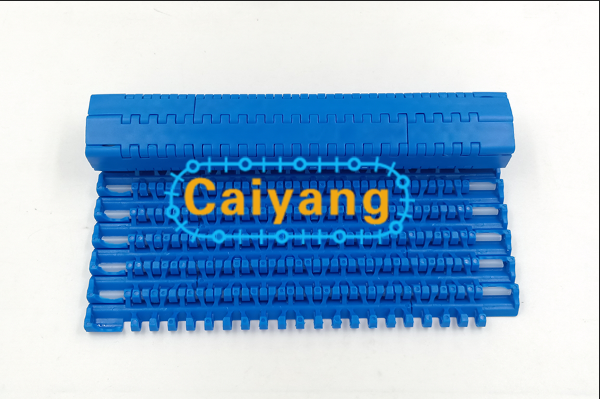
First of all, pick the right mesh belt material before installation. POM mesh belts have outstanding wear resistance and tensile strength, perfect for long-time dry conveying, packaging and sorting lines. PP mesh belts are resistant to acid, alkali and water-based cleaning agents, which is the preferred choice for CIP cleaning lines, fruit and vegetable washing lines. If you use POM belts in continuous high-temperature or strong chemical environments, the belt will age, deform and crack rapidly; similarly, PP belts will wear much faster when used for heavy-load dry friction occasions.
Second, keep proper tension and good running alignment. Too much tension will generate extra friction at each hinge joint, wearing out the pin rods and modules quickly. Insufficient tension will make the belt jump on the sprockets, resulting in edge scraping and deviation. You need to check the running track regularly. Once the mesh belt leans to one side, adjust the guide wear strips and tension device in time to avoid continuous friction between the belt edge and metal frame.
Third, carry out regular cleaning and visual inspection. Food residues, pulp, sediment and dust stuck in the hinge gaps will continuously abrade the pins and modules. For food-grade production lines, follow the sanitation schedule to clean the mesh belt thoroughly. At the end of each shift, inspect the belt surface carefully: check broken modules, cracked edges, loose pins and abnormal wear marks. The biggest advantage of modular design is that you only need to replace the damaged single module instead of the whole belt, which saves plenty of cost and time.
Fourth, avoid overloading and sharp foreign objects. Never put goods exceeding the rated load on the mesh belt; long-term overload will deform the mesh structure and cause permanent damage. Sharp metal scraps, broken hard fragments falling onto the belt surface will scratch the mesh and cut the connecting hinges. It is recommended to install a debris removal device at the feeding section if your production environment has many hard impurities.
Finally, maintain matched sprockets synchronously. Worn sprocket teeth will apply uneven force on the mesh belt and lead to local accelerated wear. When you install a brand-new mesh belt, inspect the sprocket condition at the same time, and replace aging sprockets together if necessary.
Scientific maintenance can effectively cut downtime and lower your long-term procurement budget. Shanghai Caiyang provides high-quality modular mesh belts and professional maintenance guidance for global customers. We can also customize mesh aperture, belt color, anti-static function and cleat structure according to your working conditions.