
Modular plastic chain plate supplier
Plastic Mesh Belt for Dryer
Plastic mesh belt is a key modular conveyor accessory tailor-made for continuous dryer systerms, extensively applied in automated drying production lines of food processing, agricultural product dehydration, pharmaceutical manufacturing, and light industrial component treatment. It has gradually become a preferred conveying solutin to replace traditional metal mesh belts and solid slat chains in drying tunnels, hot air circulation ovens and multi-layer drying equipment.
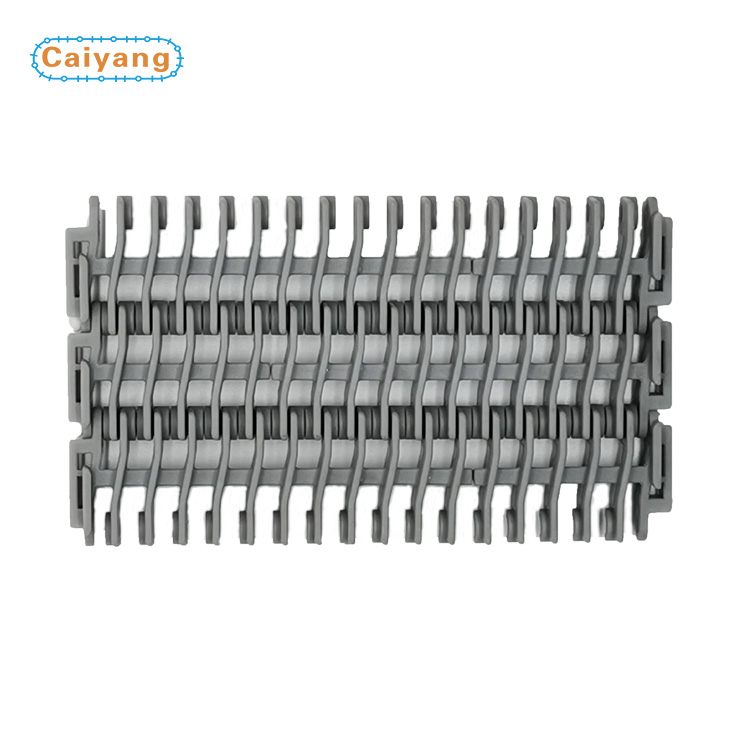
The open mesh structure is its most prominent feature. Uniformly distributed mesh holes allow hot air to penetrate directly through the belt and fully surround the conveyed materials. This greatly improves air circulation and heat exchange efficiency, ensures consistent drying effect across all materials, and effectively prevents common problems such as uneven drying, residual moisture and partial overheating which frequently appear when using non-porous solid conveyor plates. For thin materials, granular materials and sliced products, this through-air design can remarkably shorten drying cycle and boost overall line throughput.
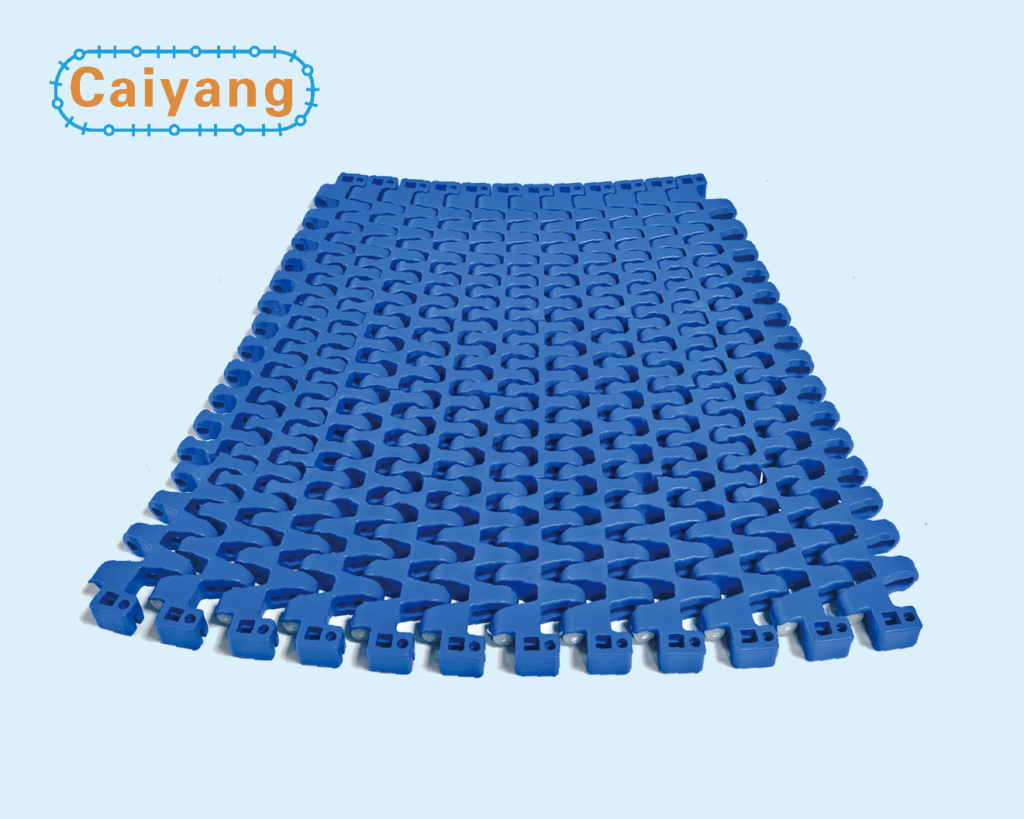
Two mainstream raw materials, PP and POM, are widely adopted for dryer plastic mesh belts to suit different temperature and working conditions. PP mesh belt performs well in medium-temperature drying environments, with excellent hydrolysis resistance, acid and alkali resistance, and stable performance under long-term hot and humid working conditions. Food-grade PP variants meet globle food contact standards, which can be directly used for conveying fruits, vegetables, grains, baked snacks and other edible products without risk of harmful substance precipitation. POM mesh belt boasts higher hardness, outstanding wear resistance and stable dimensional property. It is suitable for high-speed, long-duration continuous drying lines where the belt needs to withstand frequent friction and maintain precise operation.
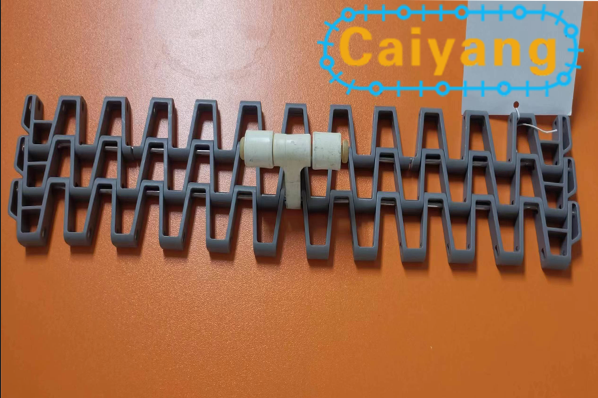
The product adopts interlocking modular design. Individual mesh modules are connected by hinge pins for quick assembly. When local damage or abrasion happens during long-time operation, maintenance staff only need to replace the defective modules rather than the entire belt. This significantly cuts production downtime and lowers long-term maintenance expenses. Rich customized options are surppoted, including different aperture sizes, reinforced rib structures, side baffles, positioning lugs and matching sprockets, which can be adapted to diverse equipment layouts such as multi-layer drying tunnels, straight conveying sections and curved transition segments.
Compared with stainless steel mesh belts, plastic mesh belt is lightweight, completely rust-proof and free from regular lubrication. It avoids metal debris falling and secondary contamination, which is critical for food and pharmaceutical production. Meanwhile, it has good anti-adhesion property, reducing material sticking on the belt surface during drying process and simplifying regular cleaning work.
Typical application scenarios include fruit and vegetable dehydration, herbal drying, grain processing, baked food production, pharmaceutical raw material drying, and surface moisture removal of small industrial parts. For manufacturers building or upgrading drying production lines, the plastic mesh belt for dryers balances drying efficiency, hygienic requirement, operational stability and total cost, delivering a reliable and economical continuous conveying solution.
If interested, feel free to contact us — Shanghai Caiyang Plastic Products Co., Ltd.
shanghaicaiyang
+86 17317161237
sales@caiyangbelt.com
https://caiyangbelt.com/