
Modular plastic chain plate supplier
Modular Plastic Conveyor Belt Manufacturer in China
Modular Plastic Conveyor Belt Manufacturer in China
What are the characteristics of plastic conveyor belts?
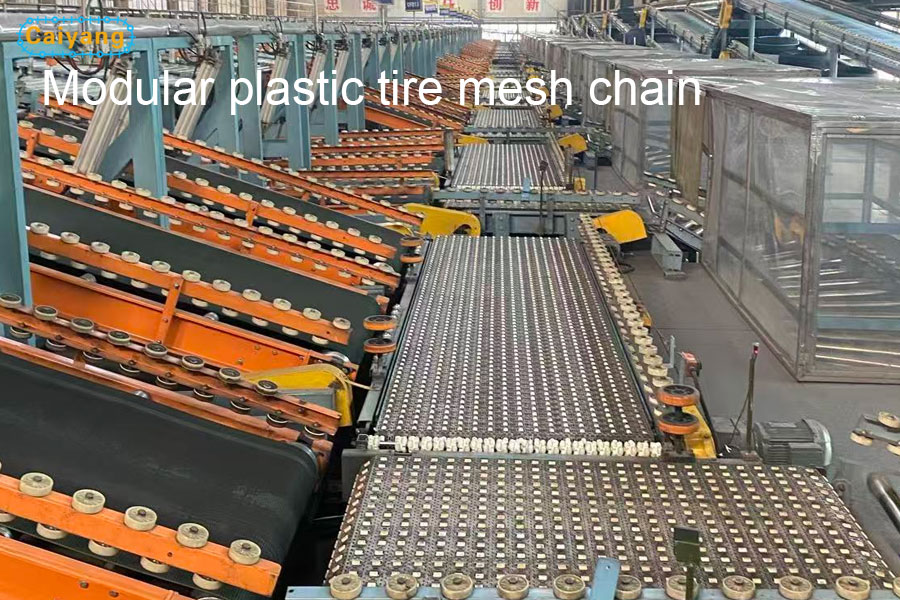
Plastic conveyor belts are made of engineering plastic chain plates spliced together. They are modular belts with interlocking or brick-laying mechanisms, and are assembled using long pins. This design improves the strength of the conveyor belt. Let’s take a closer look.
Baffles and side plates can also be interlocked with hinge pins, becoming an integral part of the conveyor belt. Plastic conveyor belts come in various forms, are flexible in assembly, and easy to replace. The plastic chain plates are made of engineering plastic and connected with stainless steel pins, offering advantages such as lighter weight and lower noise compared to steel chain plates.
Easy installation, lightweight, and low noise. Smooth operation, self-lubricating, and reduced conveying power. Widely used in conveying machinery in industries such as drinking water, beverages, beer, food packaging machinery, pharmaceuticals, canning, quick-freezing, seafood, and vegetable washing, as standard components. Plastic mesh belt conveyors represent a revolution compared to traditional belt conveyors. They overcome the drawbacks of belt conveyors, such as difficult maintenance and susceptibility to tearing, punctures, and corrosion, providing customers with a safe, fast, and easy-to-maintain conveying method. They are resistant to acids, alkalis, and harsh environments, resulting in a long service life.
Because these conveyors use modular plastic conveyor belts and employ sprocket drive, the conveyor belt is less prone to snaking or skewing. Furthermore, the thick belts are resistant to cutting and impact, and possess oil and water resistance, minimizing maintenance and repair issues across various industries, especially reducing costs associated with belt replacement. Features of plastic mesh belts: Modular plastic conveyor belts overcome pollution problems, using hygienic plastic materials in a single molding process, with no pores or gaps in their construction.
What are the advantages of modular conveyor belts?
When we mention modular conveyor belts, we think of the presence of chemical substances. Silica gel is a highly active adsorbent material. It is insoluble in water and any solvent, odorless, and chemically stable. Except for strong alkalis and hydrofluoric acid, it does not react with any substance. Conveyor belts made from this material are called modular conveyor belts.
So what are the advantages of modular conveyor belts? Next, the modular conveyor belt manufacturer will introduce them to you:
- Food-grade: Because modular conveyor belts are environmentally friendly and harmless, they are food-grade materials and are widely used in the food processing industry.
- Non-stick: Modular conveyor belts are susceptible to sticking to substances. When conveying items, if they stick together, they are difficult to clean. However, modular conveyor belts do not stick to sugary foods such as sugar and chocolate.
- High temperature resistance: Modular conveyor belts can withstand high temperatures and are chemically stable.
Modular Conveyor Belt Repair and Maintenance
- Damaged Modular Conveyor Belt Interface. If this occurs with a newly replaced conveyor belt, it’s generally because the newly coated conveyor belt will tighten the rollers before fully settling. It’s recommended not to overtighten the belt shortly after coating, as excessive load can cause the interface to break. To resolve this, contact a modular conveyor belt company.
- Modular Conveyor Belt Misalignment. Check if the rollers are level; secondly, check for belt interface deviation. If the belt misalignment is minor, it can be prevented by welding fixing irons to both sides of the frame. If the belt misalignment is severe and the belt itself is not straight, contact a belt company to reinstall a new belt.
- Modular Conveyor Belt Slippage. This may be due to old rollers with a low coefficient of friction. It’s recommended to replace the rollers or apply a coating. Emerson offers roller coating services, fixing the conveyor belt to the roller surface. This not only increases the coefficient of friction, protects the rollers and conveyor belt, extends their service life, ensures production stability, and even improves production efficiency.
- The conveyor belt surface of the module is excessively worn; it is recommended to replace it with a new one. Before replacing the conveyor belt, it is recommended to loosen the rollers and then remove the conveyor belt. Do not forcibly tilt the conveyor belt to reduce the chance of machine damage.
I. Core Industry Applications of Mesh Belt Conveyors
Mesh belt conveyors are continuous conveying equipment that uses metal or plastic mesh belts as the transmission medium. Their modular design and diverse materials allow them to adapt to various complex environments. The following are typical application areas:
Food Processing Industry
Baking and Frozen Foods: Used in baking lines for bread, biscuits, etc. (temperature resistance range up to 200℃ and above), and in the freezing conveying of frozen dumplings and ice cream (stable operation even at -40℃).
Washing and Sorting: In fruit and vegetable washing lines, the mesh belt’s good water permeability allows for integration with high-pressure spraying; in aquatic product processing, stainless steel mesh belts are corrosion-resistant, easy to clean, and meet FDA standards.
Case Study: A large dairy company uses mesh belt conveyors to implement a pasteurization production line for yogurt bottles, with an adjustable conveying speed of 0.5-5 meters per minute (Data source: Food Machinery 2022 Annual Report). Metallurgy and Building Materials Industry
High-Temperature Material Handling: Conveying high-temperature materials such as sintered ore and coke in steel plants (alloy steel mesh belts with a temperature resistance up to 800℃); used in glass manufacturing for conveying materials in annealing furnaces.
Dust Environment Adaptability: The enclosed mesh belt design reduces dust spillage, such as in clinker conveying in cement plants.
II. Emerging Fields and Special Applications
With technological upgrades, the application boundaries of mesh belt conveyors are constantly expanding:
New Energy and Electronics Manufacturing
Photovoltaic Panel Production: In silicon wafer cleaning and coating processes, anti-static plastic mesh belts can prevent micro-dust contamination (surface resistivity ≤10^9Ω, meeting SEMI standards).
Lithium Battery Assembly: Acid and alkali resistant mesh belts are used in electrode drying lines, with a conveying accuracy error of less than ±1mm (data source: technical white paper of a leading lithium battery equipment manufacturer).
Environmental Protection and Recycling Resources
Waste Sorting: Spiral mesh belt conveyors achieve three-dimensional conveying of sorted waste, with a processing capacity of up to 20 tons/hour.
Scrap metal recycling: Magnetic mesh belts can automatically sort ferrous impurities, improving sorting efficiency by 30% (experimental data from Renewable Resources Engineering, 2023).
III. Key Selection Parameters and Industry Adaptation Recommendations
Different industries should focus on the following parameters:
Material Selection: Food-grade 304 stainless steel; PTFE-coated mesh belts are optional for the chemical industry.
Load Capacity: Heavy metallurgical industries require sprocket-driven mesh belts (single-point load ≥ 50kg), while the electronics industry prefers lightweight mesh belts (load < 10kg).
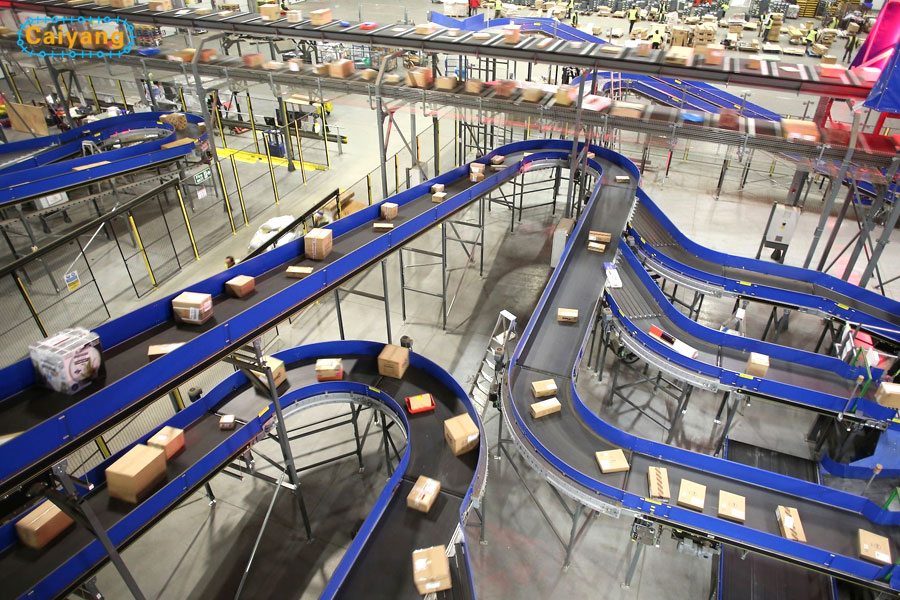
Customization Needs: Express sorting lines in logistics and warehousing often require RFID identification modules; the mesh belt spacing must match the package size (common spacing 50-200mm).
As the above analysis shows, the cross-industry applicability of mesh belt conveyors stems from their flexible design and strong environmental adaptability. Their penetration rate in fields such as intelligent manufacturing and green energy will continue to increase in the future.