
Modular plastic chain plate supplier
Lightweight Modular Mesh Belts: An Efficient Solution for Automated Sorting in SMEs of the Logistics Industry
Plastic mesh belt conveyors are widely recognized in the food, beverage, and pharmaceutical industries. Primarily used for material transport in manufacturing enterprises, they can be used horizontally, inclined, and vertically, as well as in spatial configurations. Generally, the conveying route of a plastic mesh belt conveyor is fixed. Mesh belt conveyors are currently the most widely used type of conveyor in factories and enterprises, mainly because they can transport both bulk and whole batches of goods. Many companies value the advantages of mesh belt conveyors: large transport capacity, simple and lightweight structure, convenient and low maintenance costs, and most importantly, the very low cost of plastic mesh belt conveyors.
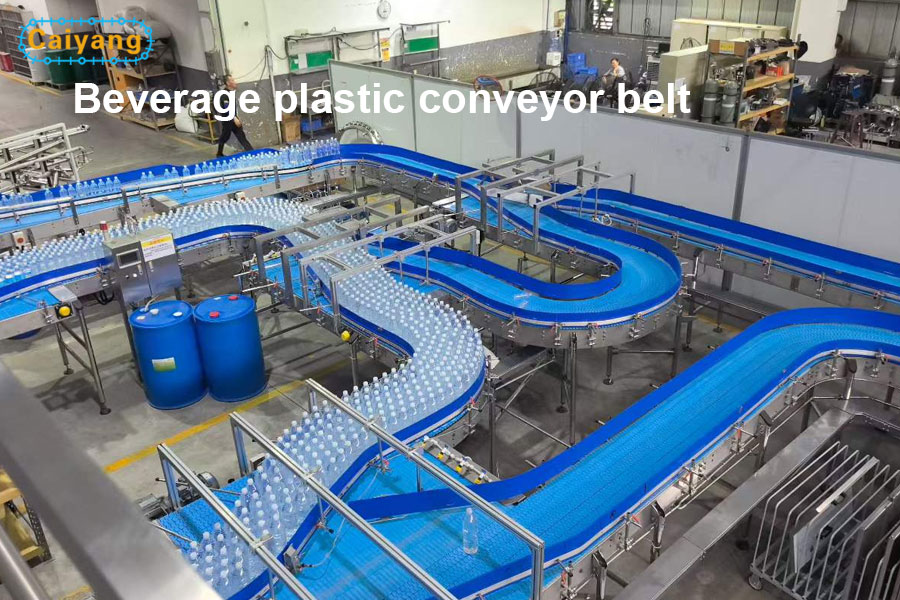
I. Core Function of a Beverage Conveyor Line: Seamless Connection from Raw Materials to Finished Products
A beverage conveyor line is not simply a “conveyor belt,” but a complex system integrating mechanical, electrical, and automated control systems. Its core functions include: precise conveying—achieving stable transport of packaging of different weights and shapes through variable frequency speed control technology; flexible adaptation—compatible with various containers such as glass bottles, plastic bottles, and cans, and even supporting customized conveying of irregularly shaped packaging; intelligent integration—linking with filling machines, labeling machines, and case packing machines to form a fully automated production line. For example, a carbonated beverage production line, through modular design, can quickly switch between different product specifications simply by adjusting the conveyor module, increasing production efficiency by more than 30%.
II. Manufacturer’s Technological Barriers: Three Key Capabilities Determine Competitiveness
1. Materials Science Application Capability: Conveyor lines need to be in contact with acidic, alkaline, or sugary liquids for extended periods. Therefore, manufacturers must select corrosion-resistant materials such as 304 stainless steel and food-grade plastics, and reduce the coefficient of friction through surface treatment technology. For example, a manufacturer developed a “low-noise conveyor chain” that uses a special lubricating coating to control operating noise below 65 decibels, far below industry standards.
2. Dynamic Balance Design Capability: During high-speed operation, the conveyor line must maintain micron-level precision to prevent packaging tilting or liquid splashing due to vibration. Manufacturers use finite element analysis (FEA) to simulate operating conditions, optimizing the support structure and weight distribution of transmission components to ensure stable operation of the equipment at a speed of 200 meters per minute.
3. Intelligent Control Capabilities: Modern conveyor lines have incorporated IoT technology, using sensors to monitor parameters such as temperature, humidity, and speed in real time and automatically adjust operating status. One manufacturer’s “intelligent diagnostic system” can provide early warnings of belt wear, motor overheating, and other faults, reducing equipment downtime to one-fifth of the original.
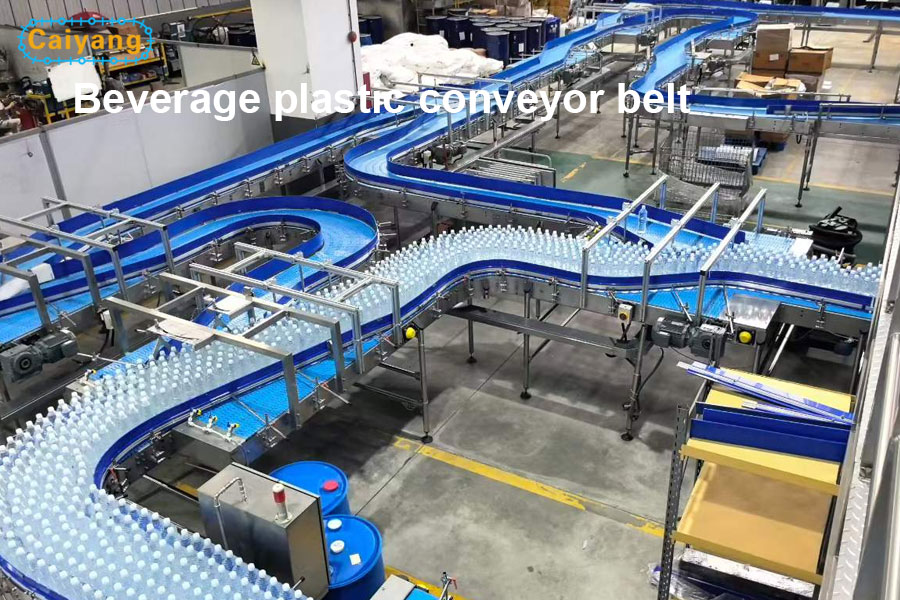
III. Industry Development Trends: Green and Flexible Manufacturing Become New Directions
With the advancement of “dual carbon” goals, beverage conveyor line manufacturers are accelerating their transformation towards green manufacturing. On the one hand, by optimizing motor efficiency and adopting regenerative braking technology, a single production line can save more than 100,000 kWh of electricity annually. On the other hand, they are developing biodegradable conveyor components to reduce plastic pollution during production. Simultaneously, the demand for flexible production is surging. Manufacturers, through modular design and rapid changeover technology, enable the same production line to complete product switching within 24 hours, meeting the market trend of small batches and multiple varieties.
However, while plastic mesh belt conveyors are very useful, necessary daily maintenance is essential. Since mesh belt conveyors often transport heavy goods, wear and tear during operation is unavoidable. Regular welding repairs can promptly repair wear and prevent further damage. Of course, mesh belt conveyors must never be overloaded. Overloading will inevitably accelerate wear and tear, potentially causing devastating damage. Regularly applying lubricating oil during operation ensures smoother and more comfortable operation, reducing wear and tear.