
Modular plastic chain plate supplier
How to Choose the Right Plastic Mesh Belt Model
Plastic modular mesh belts are widely adopted in food, beverage, pharmaceutical, packaging and logistics conveying lines. Different mesh belt models vary greatly in load capacity, open area, temperature resistance and hygiene performance. Selecting an improper model will cause belt breakage, product slipping, poor drainage, frequent downtime and extra replacement cost. This guide breaks down the core factors to help you pick the correct plastic mesh belt model step by step.
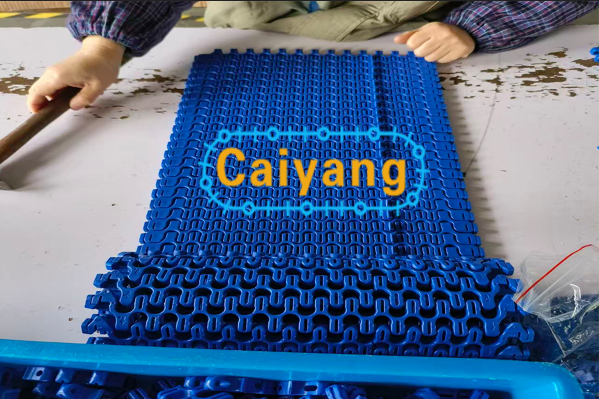
1.Confirm your conveying application and industry requirements
First clarify which industry and process the belt serves, because compliance standards and functional priorities differ sharply.
- Food & meat processing, fruit washing, cooling lines: Prioritize food-grade certification (FDA/NSF), easy washdown, drainage and air circulation. High open-area mesh models are preferred for dewatering, draining and rapid cooling.
- Beverage packaging, bottle handling: Focus on stable conveying, low friction and curve performance if the line contains turning sections.
- Pharmaceutical industry: Strict hygiene, smooth surface, no dead corners for bacteria buildup, chemical resistance to cleaning CIP/SIP detergents.
- General packaging & logistics: Cost efficiency, heavy load capacity and anti-slip surface are more important.
2.Select the right engineering plastic material
Material is the foundation of mesh belt performance. The mainstream materials include PP, POM and PE, each with distinct limits:
- PP: Excellent acid & alkali resistance, food-safe, suitable for cold washing and wet environments. Not fit for high temperature above 80°C.
- POM: High wear resistance, low friction, good tensile strength. Ideal for high-speed, long-running, heavy-load conveying.
- PE: Good low-temperature tolerance, flexible, widely used in chilled and frozen food lines.
Special modified grades such as anti-static, flame-retardant and UV-resistant plastic are available for electronic or outdoor working conditions.
3.Check key structural parameters of the mesh belt model
Pitch
Pitch means the distance between adjacent hinge pins, the core parameter matching your sprockets. Common pitches are 12.7mm, 25.4mm, 38.1mm. Sprocket pitch must match belt pitch, otherwise jumping teeth, abnormal wear and early failure will happen. Small pitch suits small products and tight transfer points; large pitch delivers higher load and simpler maintenance.
Open area
Open area decides drainage and airflow:
- 20%–30% open area: Higher structural strength, for solid product carrying, accumulation conveying.
- 40%–60% open area: Balanced strength and permeability, the most popular choice for washing, cooling and drying.
- Above 60% open area: Maximum water and air pass-through, for fruit blanching, vegetable dewatering, but lower load limit.
Belt width and working load
Measure the required effective width according to product size and lane layout. Calculate the dynamic load including product weight, belt tension and conveyor length. Do not oversize or undersize: an over-specified model raises cost, while an under-rated model stretches and breaks quickly.
Surface design
Smooth mesh, raised rib, anti-slip mesh, perforated structure are optional. Anti-slip patterns are necessary for inclined conveying. Flat smooth mesh works well for gentle product transfer.
4.Match conveyor layout:straight,curve or spiral
- Straight running lines: Most standard mesh belt models are compatible.
- Turning conveyor lines: Must choose curve-friendly mesh belt series with special hinge design. Ordinary straight mesh belts will jam or separate on radius turns.
- Incline/decline conveying: Combine anti-slip surface and proper open area to avoid goods sliding.
5.Evaluate working environment
- Temperature: Confirm continuous working temperature. PP fails under high heat; POM performs better at medium temperature.
- Chemical exposure: If you use acid, alkaline sanitizer or detergent daily, pick chemical-resistant grades.
- Cleaning frequency: High hygiene lines need tool-free pin structure, easy disassembly for full washing.
6.Verify spare parts compatibility
Your mesh belt model must match supporting accessories: sprockets, drive shafts, support rails and hinge pins. Changing belt model often means replacing sprockets together. If you are replacing an old existing belt, provide the original model number, pitch, width and sprocket tooth quantity to the supplier for direct replacement.
7.Common mistakes to avoid
1.Only compare price without checking material certification and open area.
2.Ignore sprocket pitch matching, only focus on belt appearance.
3.Choose high-open-area lightweight mesh belt for heavy continuous load.
4.Use general industrial non-food-grade mesh for direct food contact.
5.Select straight-run mesh belt for turning lines.
Final Quick Checklist before ordering
- Industry & hygiene standard requirement
- Working temperature and cleaning chemical type
- Product weight, size and conveyor speed
- Straight or turning layout
- Required open area for cooling/draining
- Belt width, pitch and existing sprocket parameters
- Special demand: anti-static, anti-slip, food grade
Choosing a suitable plastic mesh belt model reduces unplanned shutdowns, extends service life and stabilizes your whole production line. If you are not sure which series fits your conveying system, share your technical parameters with our team for professional recommendation.
More details, welcome to contact Shanghai Caiyang.