
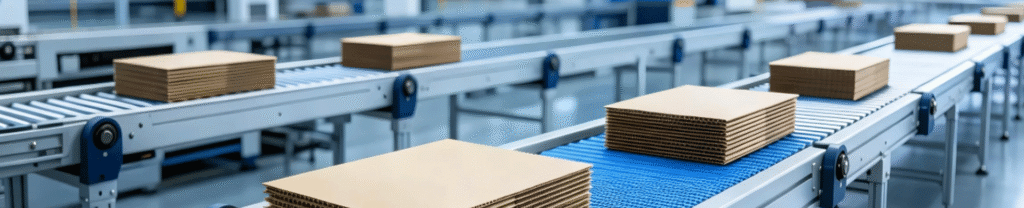
Slat chain conveyors are widely adopted in food, packaging, logistics and tire industries for stable product transfer. However, improper operation and lack of maintenance will trigger frequent failures and interrupt production. Understanding common faults and standardized maintenance rules helps you extend chain service life and reduce unexpected shutdowns.
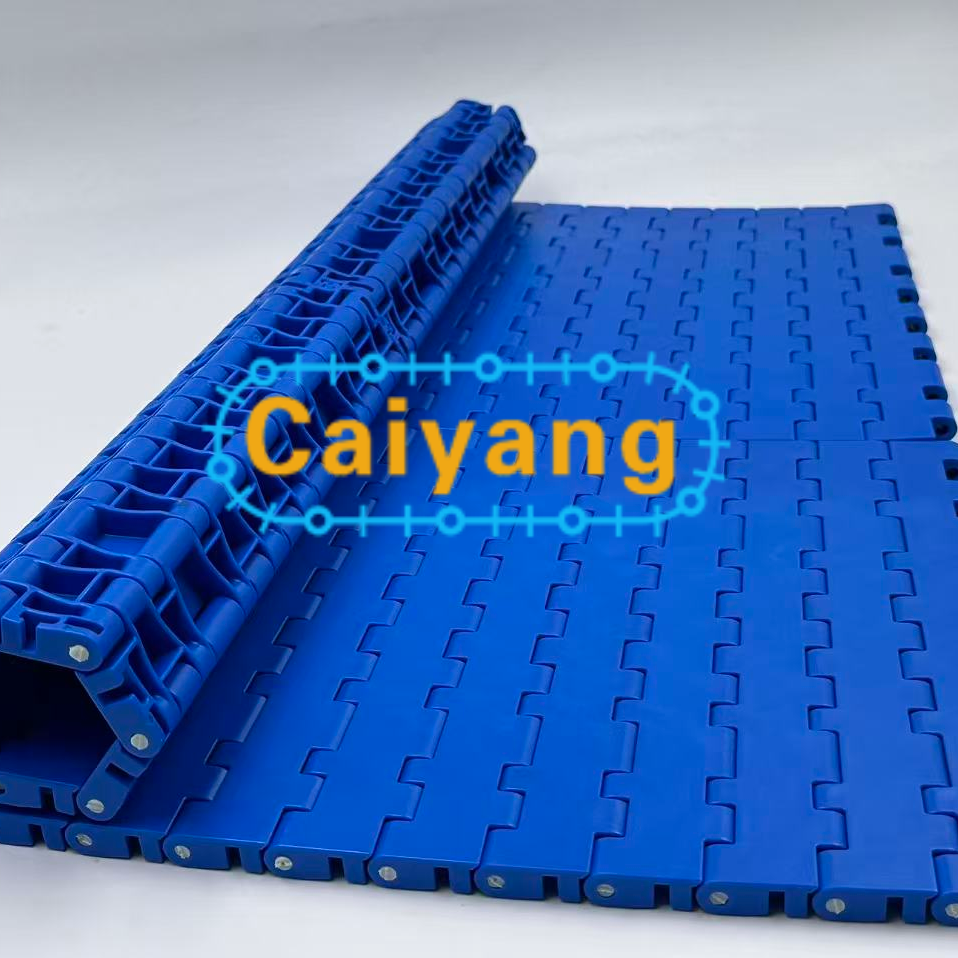
The most frequent failures include chain jumping off sprockets, abnormal wear, chain elongation, slat cracking and jamming. Chain jumping is mostly caused by mismatched sprocket pitch, misaligned drive shaft or loose chain tension. Uneven wear usually comes from foreign debris stuck between slats and wear strips, or unparallel guide rails. Overload and long-time friction will lead to chain elongation; once the elongation exceeds the allowable range, the chain must be replaced in time, otherwise it will damage the whole set of sprockets.
Daily maintenance should follow fixed inspection cycles. First, stop the machine and cut off power before inspection. Clear debris, syrup and dust accumulated on slats, wear strips and sprockets regularly. Check tension every week, adjust moderately if too loose or tight. Inspect slats for cracks, check pins for falling off and sprocket teeth for abrasion. For food-grade slat chains, use compatible cleaning agents and avoid strong corrosive chemicals.
Timely inspection and regular maintenance can keep slat chain conveyors running stably. Shanghai Caiyang provides high-quality plastic slat chains and professional after-sales technical support.